
 English
  Nederlands
  Deutsch
  Español
  Français
  Português
  Italiano
  Svenska
  Dansk
Dansk  Polski
  Suomi
Suomi Rope & Tape
Discover our curated collection of premium rope and tape designed for bondage, suspension, and sensory play. Whether you're exploring restraint for the first time or refining a seasoned practice, each product in this selection combines quality craftsmanship with thoughtful design.

Chisa Mini Silk Rope Cotton 10m

Chisa Bondage Rope Bing Love

Chisa Bondage Rope Reatrain Me
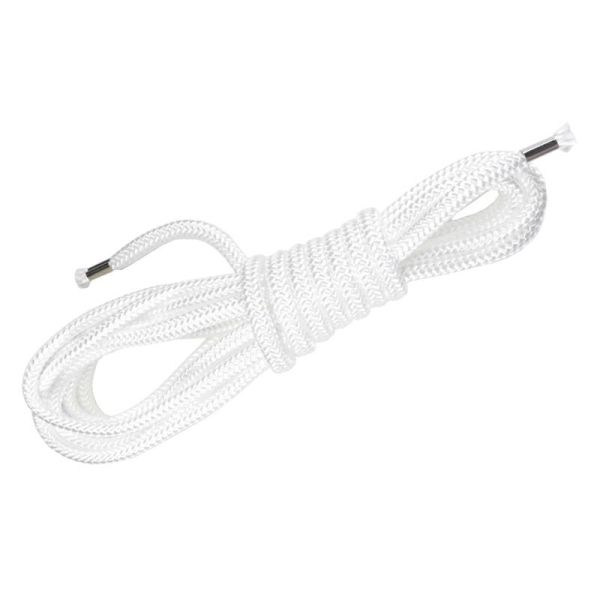
Bondage Play Rope 3 m (White)
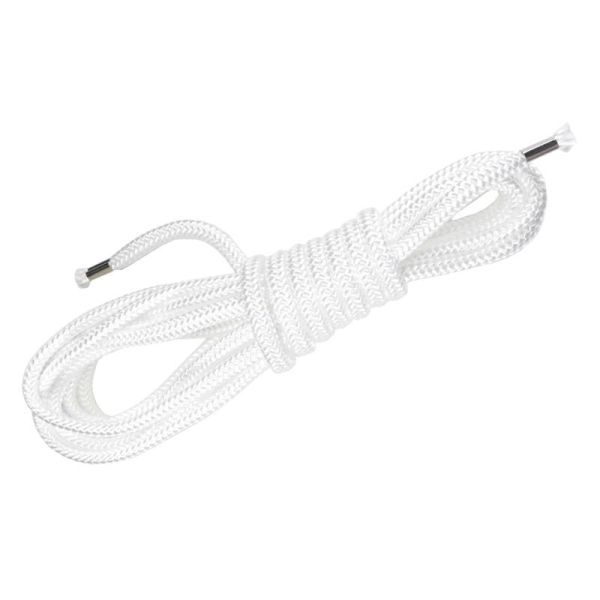
Bondage Play Rope 5 m (White)
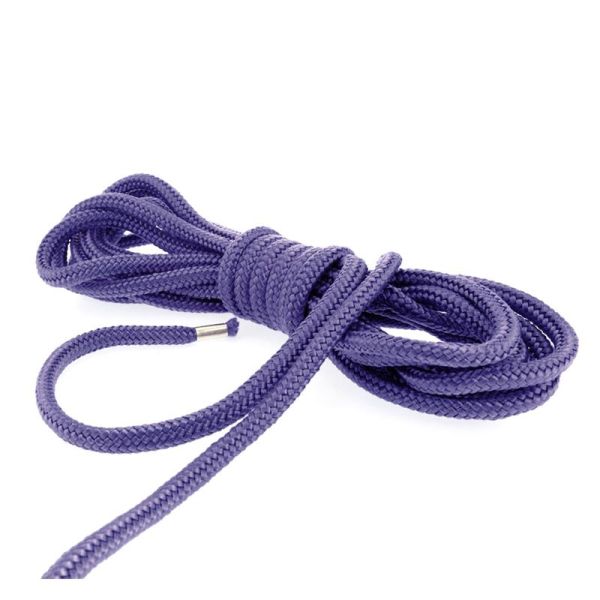
Bondage Play Rope 7 m (Purple)
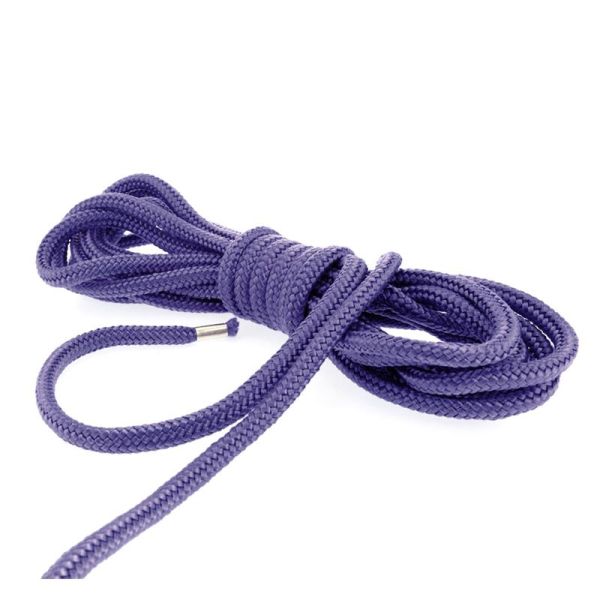
Bondage Play Rope 10 m (Purple)

LateToBed Bondage Rope with Metal Details 10m

Rimba Bristol Hemp Rope 5 m

Secret Play Bondage Rope 10 m (Black)

Lovetoy Bondage Rope Soft (Red)

Neon Pleasure Tape (Pink)

Fetish Fantasy Series Silk Rope Love Cuffs (Red)

Fetish Fantasy Series Pleasure Tape (Pink)
Rope and bondage tape are the two ways of tying someone up without buckles: rope for the craft of it, the knots, the patterns and the slow process, and tape for speed and for people who want the result without the learning. Both hold a body still, which is the point, and both need a little knowledge to be safe. This guide covers what to buy, the few things that matter about material, and the rules that keep rope play from going wrong.
Rope
Bondage rope is sold in lengths of 5 to 10 metres, 6 to 8 millimetres thick, in cotton, jute, hemp or a synthetic. Cotton is soft, cheap and forgiving, the rope to learn with. Jute and hemp are the traditional Japanese ropes: firmer, with more grip so knots hold, and the ones to move to. Synthetics are smooth and slippery, easy to wash, harder to keep tied. A first kit is two or three lengths of 8 metres in cotton.
Tape
Bondage tape sticks only to itself, not to skin or hair, so it goes on fast, comes off without pulling, and can be reused a few times. It is the answer for people who want wrists tied in ten seconds, and it works as a blindfold, a gag and a harness in a pinch. It is also a good way to try restraint before spending on rope or cuffs.
Safety
Never tie around the neck. Keep rope off the front of the wrist where the nerves run close to the skin, off the inside of the elbow and the back of the knee, and never so tight that a finger cannot slide under. Check hands and feet for cold, colour change or tingling every few minutes and untie at the first sign. Keep safety shears, the blunt tipped kind, within reach, and never leave a tied person alone or tie anyone to a fixed point they cannot get out of.
Learning
Start with single column ties, one wrist or ankle, then two columns, then a simple chest harness; the first knots are learned in an evening from a book or a video. Slow down: rope play is as much about the tying as the being tied.
Care
Wash cotton rope in a bag in the machine and dry it hung; jute and hemp are not washed but aired, and conditioned with a little oil now and then. Tape is wiped with a damp cloth and rolled back onto its core.
Frequently asked questions
Rope or tape?
Tape to try restraint quickly; rope for the process and the look. Many people own both.
What rope for a beginner?
Cotton, 6 to 8 millimetres, two or three lengths of 8 metres. Soft, cheap, easy to untie, machine washable.
Does the tape hurt coming off?
No; it sticks to itself only. It can be reused a few times before it loses its cling.
How tight is safe?
A finger slides under any wrap; no numbness, cold or colour change. Looser than seems necessary is right.
Can rope be used on someone alone?
Never. Rope play needs a second person who can untie, and a pair of safety shears within reach.