
 English
 Nederlands
 Deutsch
 Español
 Français
 Português
 Italiano
 Svenska
 Dansk
 Polski
 Suomi
Toy Storage
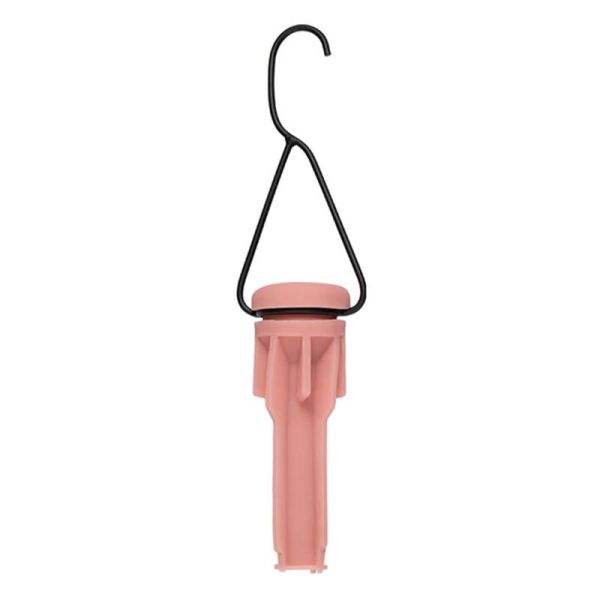
Good storage keeps your toys clean, free of dust and out of sight. In this category you will find the Satisfyer Treasure Bag in sizes M, L and XL, soft pouches in purple or red for toys of every size, and the Fleshlight drying rack, which lets a stroker sleeve dry upright after washing so it stays fresh. The bags cost about €4 each and the drying rack about €29. A useful habit: store toys of different materials apart, so soft silicone does not touch other soft materials.


Toy storage is the least glamorous purchase and the one that keeps everything else working: a bag or box that keeps toys clean, dry, apart from each other and out of sight. Toys left loose in a drawer pick up dust and fibres, press against each other and, if the materials differ, react; a pouch each and a case for the lot solves all of it. This guide explains what to look for, which materials need separating, and how to store the awkward ones.
Why it matters
Silicone, TPE, PVC and jelly react with one another on contact: a silicone toy left against a jelly one comes out tacky, and a TPE sleeve stored against silicone can melt into it. Dust and lint stick to silicone and end up inside the body. Lithium batteries prefer a cool, dry place. And a lockable case is the difference between privacy and an awkward conversation.
What to look for
Individual pouches in satin, cotton or a wipe clean fabric, one per toy. A case or bag with a lining that wipes, enough room for the largest toy and its cable, and a lock or a discreet look if it will be in a shared space. Antibacterial linings help sleeves and porous toys. A small drying stand or a rack keeps sleeves open while they dry, which matters more than any pouch.
Storing by material
Silicone: dry, in its own pouch, away from every other soft material. TPE and PVC: dusted with cornstarch, in their own pouch, checked for tackiness now and then. Glass and metal: in a padded pouch so they do not chip or scratch. Motorised toys: charged to about half if going away for months, cable stored with them. Sleeves and strokers: dried fully on a stand, then in the case.
Where
Cool, dry and dark: not a bathroom, which is damp, not a windowsill, which is sunlight and heat, and not the boot of a car. A bedside drawer with a case inside it is the usual answer.
Frequently asked questions
Do I really need separate pouches?
For soft toys of different materials, yes; contact between them causes damage. Glass, metal and ABS can share a padded pouch.
What can go in the same bag?
Anything, as long as each soft toy is in its own pouch. The bag keeps them together; the pouches keep them apart.
How do I store a large toy?
A cotton bag or pillowcase, laid flat, on a shelf rather than in a drawer where it would be bent.
Should toys be stored in the box they came in?
Fine for hard toys; not for soft ones long term, because cardboard sheds fibres and does not breathe. A pouch inside the box is the compromise.
Are lockable cases worth it?
If anyone else has access to the room, yes. A combination lock is easier than a key that can be lost.