
 English
  Nederlands
  Deutsch
  Español
  Français
  Português
  Italiano
  Svenska
  Dansk
Dansk  Polski
  Suomi
Suomi Toy Cleaners
Silicone holds on to body fluids and lubricant longer than it looks, and that residue is what turns a good toy sticky. A proper toy cleaner is skin-safe and light on alcohol: spray or foam it on, leave it a few seconds, wipe it off, done. Foam suits ridges and texture because it clings while it works; spray is quicker on a smooth shaft. Neither replaces warm water for porous TPE, and none of it belongs inside the body. Anything with a motor gets wiped rather than soaked, and the charging contacts stay dry. A 100 ml bottle is roughly a year for most people, which makes it the cheapest thing in the shop measured against what it saves.

Pjur Cleaning Spray We-Vibe 100 ml

Fleshlight Renewing Powder

Fleshlight Limpiador 100 ml

Pjur Toy Clean Spray 100 ml

Shunga Gentle Toy Cleaner 115 ml

Eros Intimate Toy and Corporal Cleaner 2 in 1 150 ml
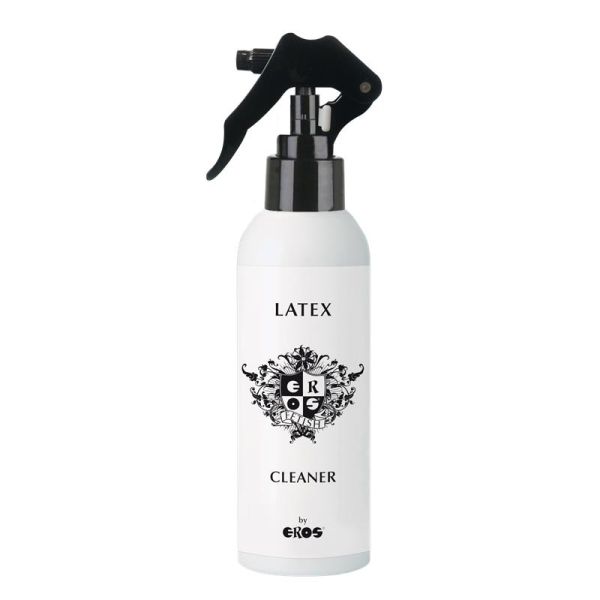
Eros Latex Cleaner 150 ml

Pjur Foam Toy Cleaner 150 ml

Sensuva Think Clean Thoughts Anti Bacterial Toy Cleaner

Cobeco Pharma CBL Toycleaner Alcohol Free 150 ml
A toy cleaner is a spray or foam made to clean sex toys without harming the material: it lifts lubricant and body fluids that plain water leaves behind, it is gentle enough for silicone, TPE and latex, and it rinses away without a residue that would end up inside someone. Warm water and mild soap do most of the job; a cleaner does it better, faster and with less doubt. This guide explains what is in them, when they matter, and how to clean each material.
What is in a cleaner
Mild surfactants to lift oil and lubricant, an antimicrobial such as chlorhexidine or benzalkonium, and no alcohol, which dries and cracks soft materials. Foams cling to curved and textured surfaces where a spray runs off. Wipes are for travel and for a quick clean between uses when a sink is not to hand. Most are fragrance free or lightly scented and dermatologically tested.
When a cleaner matters
On textured toys, where lubricant sits in the grooves. On porous materials, TPE, PVC, jelly, where soap alone leaves a film and the material cannot be boiled. On toys shared between partners or between parts of the body. On anything with a motor, which cannot go in boiling water. On latex and delicate fabrics, which soap and alcohol harm.
Cleaning by material
Silicone, glass, metal and ABS: warm water and mild soap or cleaner, and silicone, glass and metal can be boiled for three minutes to sterilise. TPE and PVC: cleaner or mild soap, rinsed well, dried completely, dusted with cornstarch; never boiled. Latex and fabric: a latex cleaner or hand wash, dried away from heat. Motorised toys: cleaner or soap, keeping the charging port and battery compartment dry.
Drying and storage
Drying matters as much as washing; a toy put away damp grows what washing removed. Air dry on a clean towel, or a stand for sleeves, before it goes in a pouch. Store silicone apart from other soft materials, which react with each other.
Frequently asked questions
Do I need a cleaner or is soap enough?
Soap and warm water are enough for non porous toys. A cleaner is better for textured, porous, shared and motorised toys, and it is what most people end up using.
Can I use alcohol or disinfectant?
Not on soft materials; alcohol dries and cracks silicone and TPE. Boiling or a toy cleaner does the job without damage.
How often?
Before and after every use. Before, because dust and pouch fibres collect; after, because that is when it matters.
Can toys go in the dishwasher?
Silicone, glass and metal without motors, on the top rack without detergent, yes. Nothing else.
How do I clean a sleeve or stroker?
Rinse through with warm water, cleaner or mild soap inside, rinse again, and dry completely on a stand. Dust TPE with cornstarch once dry.