
 English
  Nederlands
  Deutsch
  Español
  Français
  Português
  Italiano
  Svenska
  Dansk
Dansk  Polski
  Suomi
Suomi Masturbators
From a Tenga you use once on a Friday night to a Fleshlight that lasts years. The sleeve texture decides everything, so we list what each one actually feels like rather than repeating the marketing. Tight and ribbed is intense and short; open and soft is slower and closer to the real thing. An open-ended sleeve is easier to clean and more forgiving on length, a closed one gives suction. Whatever you pick, use more water-based lubricant than you think, and let the sleeve dry properly before it goes back in its case. It is the smell that ends most of them, not wear.

Fleshlight Lana Rhoades Karma Masturbator

Fleshlight Sky Bri Celestial Masturbator Vagina
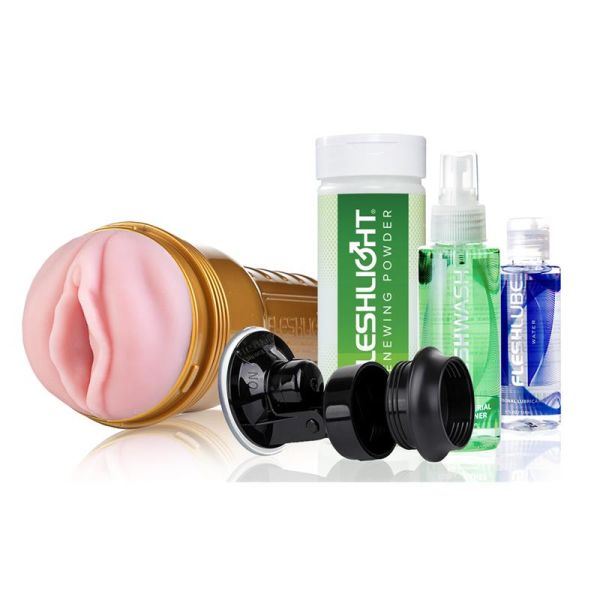
Fleshlight Stamina Training Unit Value Pack

Crazy Bull Realistic Vibrating Vagina Masturbator
Tenga Pocket Masturbator Cold Spark

Tenga Egg Combo Masturbator

Tenga Super Masturbator Meteor Smash

Tenga Super Masturbator Tornado Blast

Tenga Super Masturbator Storm Crash

Fleshlight GO Lady Torque

Fleshlight GO Surge

Fleshlight Ice Butt Crystal

Fleshlight Ice Lady Crystal

Fleshlight Stamina Training Unit Pink Lady

Fleshlight Pink Lady Vortex

Fleshlight Vibro-Pink Lady Touch

Fleshlight Turbo Thrust Blue Ice

Chisa Spiral Portable Quin Cup Male Masturbator
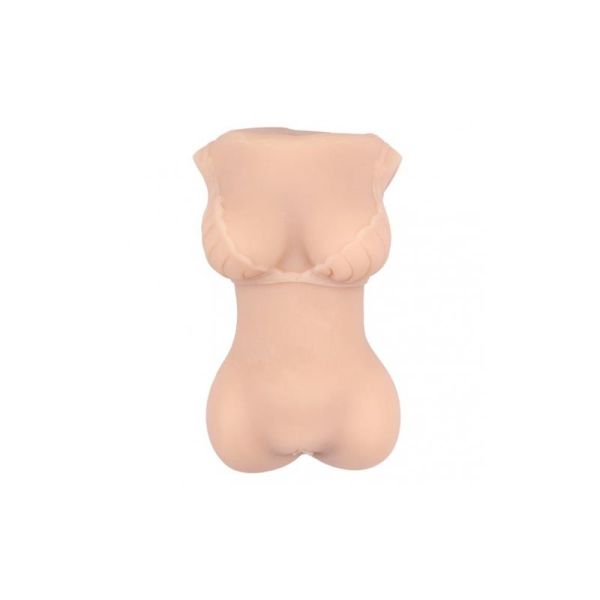
Chisa Masturbator Taco Body

Chisa Masturbator Fire In The Hole T-Skin 16.2 cm

Chisa Masturbator Fire a Gun N5 T-Skin 12.5 cm Flesh

Chisa Masturbator Fire a Gun No.05 (White)

Chisa Boost Ribbed Stroker Male Masturbator

Chisa Spiral Cup Strong Edition Square Male
A masturbator is bought for feel, but kept for how easy it is to clean. Those two things decide whether a sleeve ends up in the drawer or in the bin after a month. This guide covers the types, the materials and the care, so you order one that suits your hand, your time and your bathroom.
The main types
An open ended sleeve is open at both sides. It cleans quickly, suits any length and lets you control pressure with your grip. A closed ended sleeve holds a vacuum, which builds suction as you move and feels more intense, but it needs a proper rinse and a long dry.
Cases with a firm shell protect the sleeve, look discreet on a shelf and often carry an air valve at the base for adjusting suction. Vibrating and rechargeable models add motors, sometimes with rotation or with a stroking action that works on its own. Automatic strokers do the movement for you and are the answer if grip strength or reach is an issue.
Material and what it means for care
Most sleeves are TPE or a soft elastomer, because that is what gives the soft, skin like feel. These materials are porous: they cannot be sterilised, they hold water, and they need to be fully dry before storage. Silicone sleeves are firmer and easier to sanitise but feel less lifelike.
A porous sleeve stays personal. Never share one without a condom, and replace it when the surface turns tacky, discoloured or starts to smell after washing.
Tightness, texture and length
Tightness is set by the inner diameter and by how much the case squeezes. Textured chambers, ribs and nodules raise intensity fast, so if you are sensitive or working on stamina, choose a smoother canal.
Length matters less than you think, because you can hold a shorter sleeve against your hand. A shorter sleeve is easier to clean and dries in half the time.
Noise, discretion and storage
Motorised models make a low hum that carries through thin walls; a manual sleeve makes almost none. A hard case looks like a torch or a speaker on a shelf, a bare sleeve does not.
Store dry, dusted lightly with the renewal powder that comes in the box (cornstarch works too), inside its case or a cotton bag. That powder is what keeps a TPE surface soft instead of sticky.
Lubricant is not optional
Use water based lubricant, and more than you expect: a sleeve absorbs and spreads it. Silicone lubricant can damage silicone sleeves and is harder to rinse out of any material. Oil and petroleum jelly ruin TPE.
Warming the sleeve in a bowl of warm water for a minute makes a noticeable difference. Never use hot water on a motorised toy.
Cleaning, step by step
Rinse the inside with warm water immediately after use, wash with unscented soap or a dedicated toy cleaner, then rinse until the water runs clear. Turn an open ended sleeve inside out if the design allows it. Dry with a lint free cloth, then stand it open until it is dry all the way through, which takes a few hours. Store only when fully dry.
Frequently asked questions
Should I choose a masturbator that is open or closed at the end?
Open if you want fast cleaning and full control: you can rinse it straight through and it suits every length. Closed if you want suction and a tighter, more realistic feeling, and you do not mind the extra drying time. Some closed models have a cap you can loosen to adjust the suction while you use it.
How long does a masturbator last?
With careful washing and drying, roughly a year of regular use for a TPE sleeve, and longer for silicone. A sticky surface, cloudiness, small tears or a smell that survives washing mean it is time for a new one. Storing it clean, dry and away from heat makes a real difference to its lifespan.
Can I use a masturbator in the shower?
Yes for a manual sleeve, and cleaning up afterwards is easy there. Water washes lubricant away quickly, though, so use plenty and choose a thicker water-based gel. Check the box before taking a motorised or rechargeable model near water: only toys labelled waterproof can be used in the shower.
Does a masturbator need powder?
Sleeves made of TPE or similar soft elastomers do: a light dusting of renewing powder after drying keeps the surface soft and stops it from becoming tacky. Silicone sleeves do not need it. Always make sure the sleeve is completely dry before you add powder and put it back in its case.
Is an automatic or suction model worth it?
If you want hands-free use, or grip and shoulder strain are a factor, yes: automatic strokers do the movement for you and some add suction, warmth or vibration. For feel alone, a good manual sleeve at a third of the price is often the better buy. Automatic models also make more noise.